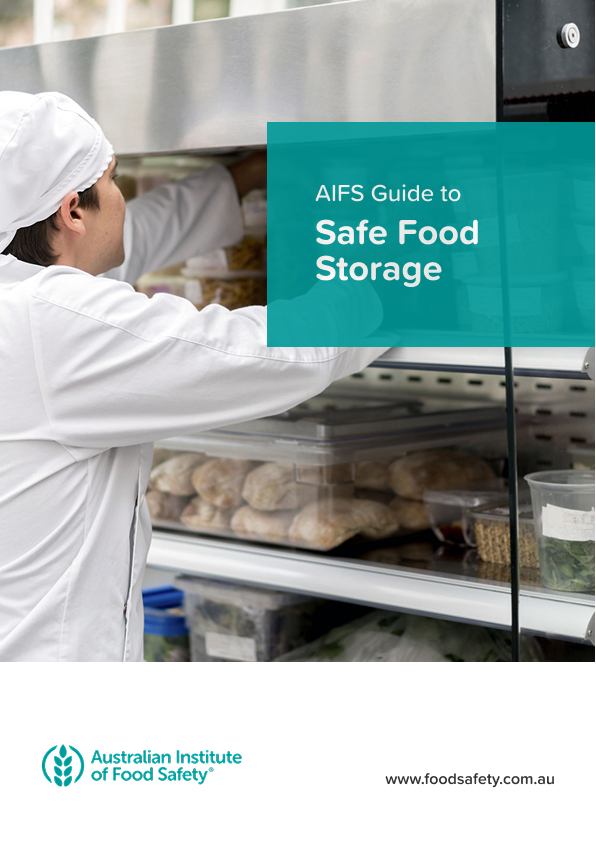
Safe food storage is one of the most effective ways to prevent food-borne illness from impacting food business operations. When food is stored incorrectly, harmful bacteria can multiply, packaging can fail and cross-contamination can occur without warning.
Food Handlers have a legal obligation to understand temperature control, date marking, effective stock rotation and safe storage layouts to keep food safe from delivery through to service.
This guide explains the essential requirements for safe food storage in Australia, with practical tips to help Food Handlers maintain compliance and protect consumers.

Introduction
Safe food storage is one of the most effective ways to prevent food-borne illness from impacting food business operations. When food is stored incorrectly, harmful bacteria can multiply, packaging can fail and cross-contamination can occur without warning.
Food Handlers have a legal obligation to understand temperature control, date marking, effective stock rotation and safe storage layouts to keep food safe from delivery through to service.
This guide explains the essential requirements for safe food storage in Australia, with practical tips to help Food Handlers maintain compliance and protect consumers
Why Safe Food Storage Matters
Improperly stored food can spoil quickly, spread bacteria or absorb contaminants from the environment. Food Standards Australia New Zealand (FSANZ) estimates that around 4.7 million Australians experience food-borne illness each year, and unsafe storage practices are one of the most common contributing factors.
Safe storage practices reduce risk by maintaining safe temperatures, preventing contamination, protecting packaging integrity and ensuring food remains within its safe shelf-life.
Safe storage guidelines are designed to:
- Slow bacterial growth
- Keep food out of the Temperature Danger Zone (5°C-60°C)
- Separate raw and ready-to-eat foods
- Protect food from pests and chemicals
- Ensure traceability through proper labelling
Dry Storage Requirements
Dry storage areas must be clean, well organised and maintained at safe environmental conditions to protect shelf-stable products.
Key requirements include:
- Storing food in a cool, dry and well-ventilated area, ideally between 10°C and 21°C
- Keeping food at least 15cm off the floor on shelving that is easy to clean.
- Regularly checking for signs of pests, water leaks or damaged packaging
- Keeping chemicals and cleaning products in a completely separate location
- Rotating stock so older products are used first
Tip: If a package is swollen, torn or has signs of moisture damage, dispose of it immediately and investigate the cause. Record findings in your business’s incident register to note the issue, the product impacted, and the required corrective actions.
Refrigerated Storage Requirements
Refrigeration slows bacterial growth and is essential for storing potentially hazardous foods such as meat and dairy products.
Safe refrigeration guidelines:
- Keep refrigerators at 4°C or below.
- Check and record temperatures at least twice per day
- Do not overload fridges - cold air must circulate freely
- Store raw meat, seafood and poultry on the lowest shelves to prevent drip contamination
- Store ready-to-eat and cooked foods on top shelves away from raw items
- Cover all containers and keep lids sealed to prevent cross-contamination
Reminder: Always discard refrigerated food that has been in the Temperature Danger Zone for more than two hours. This time is cumulative, so any time spent preparing the food also counts towards the 2-hour limit.
Frozen Storage Requirements
Frozen food remains safe for extended periods when kept at correct temperatures, but it still requires careful handling.
Best practices for freezers:
- Maintain freezers at -18°C or below
- Label and date all frozen items
- Wrap products tightly to prevent freezer burn
- Never refreeze food that has thawed
- Defrost freezers as needed to prevent ice build-up that can affect temperature stability
Reminder: Never defrost food at room temperature. The safest way to defrost frozen food is in the refrigerator.
Labelling and Date Marking
Effective labelling ensures proper stock rotation and reduces the likelihood of serving unsafe food.
What to include when labelling food:
- Product name
- Preparation or opening date
- Use-by or best-before date
- Allergen information (if repacked internally)
Always follow manufacturer instructions and clearly separate use-by (safety-related) from best-before (quality-related) dates.
Always follow manufacturer instructions when placing food in a container other than its original packaging. Clearly separate use-by (safety-related) dates from best-before (quality-related) dates when labelling products.
Tip: Implement a colour-coded day label system to help staff identify the age of products quickly.
Stock Rotation and FIFO
First In, First Out (FIFO) ensures that older stock is used before newer deliveries, preventing waste and reducing the risk of using expired items.
How to apply FIFO principles:
- Move older stock to the front of shelves after each delivery
- Check dates every day during opening procedures
- Discard food past its use-by date immediately
- Do not combine old and new batches of the same food
Reminder: FIFO applies to all storage areas - dry, refrigerated and frozen.
Preventing Cross-Contamination in Storage Areas
Cross-contamination can occur easily during storage if food, equipment and packaging are not separated correctly.
Prevent contamination by:
- Storing raw and ready-to-eat foods separately
- Using sealed, food-grade containers
- Keeping allergens isolated from other food items
- Storing chemicals away from all food areas
If you suspect cross-contamination has occurred, discard the food immediately and inform your Food Safety Supervisor.
Storage Equipment and Maintenance
Well-maintained equipment supports stable temperatures and protects food from contamination.
Equipment checks:
- Calibrate thermometers regularly
- Clean and sanitise shelving, fridges, freezers and containers
- Ensure seals, gaskets and doors close properly
- Remove clutter to allow for efficient airflow
- Schedule periodic professional servicing of refrigeration equipment
Warning: A malfunctioning refrigerator or freezer can quickly cause large quantities of food to enter the Temperature Danger Zone and spoil.
Food Handler Responsibilities
Food Handlers play a critical role in keeping stored food safe throughout its shelf life.
Key duties include:
- Checking and recording storage temperatures
- Labelling and date marking all prepared items
- Reporting signs of damage, pests or equipment failure
- Maintaining strict personal hygiene, including proper hand washing
Tip: Assign responsibility for daily storage checks to a rotating team member to ensure consistent compliance.
Food Safety Training
Every day, employees working in food businesses all over Australia take part in nationally recognised food safety training to learn more about critical food safety concepts, such as:
- Causes of food-borne illness
- Time and temperature control practices
- Safe food handling practices
- Preventing cross-contamination
- Managing food allergens
- Health and hygiene requirements
There is no substitute for skillful, engaged and well-informed staff when it comes to protecting your customers and your business from food safety risks. Nationally recognised Food Handler and Food Safety Supervisor training ensures that workers meet the food safety training requirements of FSANZ Standard 3.2.2A.
Fundamental food safety concepts and safe food handling procedures must be taught and repeated until they become second nature. Visual aids like posters, videos and checklists are a great way to reinforce food safety training.
Contact us for more information about our extensive library of food safety resources.
About the Australian Institute of Food Safety (AIFS)
As Australia’s largest provider of food safety education, AIFS is dedicated to helping organisations protect their business and their customers from food-borne illness.
AIFS is a community-focused organisation that delivers public health information to food businesses and consumers in order to improve food safety throughout Australia. This includes nationally recognised Food Handler and Food Safety Supervisor training that meets all federal and state compliance requirements related to food safety practices.
Our overall mission is to reduce food-borne illness within Australia by educating, advocating and promoting food safety.